
Why Good Supply Chain Consulting Still Comes Down to Experience and Speed
I started my career in logistics back in 1989, although I actually came into the industry through software engineering rather than operations. Very quickly though, I found myself pulled into supply chain and eventually into consulting.
Looking back, supply chains were a completely different world then.
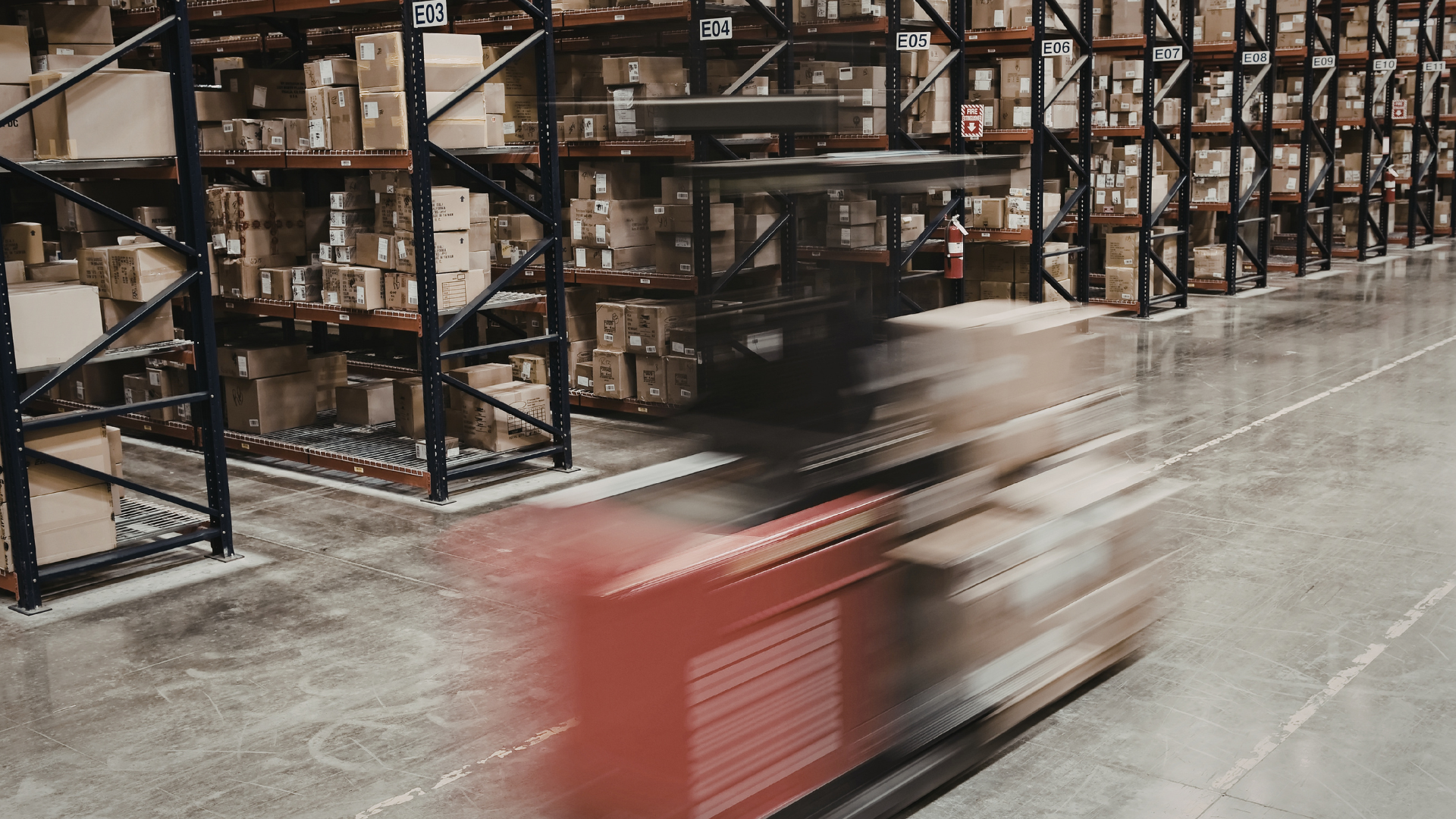
Warehouses were heavily manual, analysis took time and projects could run for months before meaningful decisions were made. E-commerce barely existed in the way we know it today, customer expectations were lower and operations were generally far more predictable.
But the biggest shift I’ve seen since then is speed.
Today, organisations are expected to react almost immediately to whatever comes next. One week they’re reviewing labour costs, the next they’re trying to understand tariffs, fuel prices or changing e-commerce regulations. Add geopolitical uncertainty into the mix and operational priorities can change rapidly.
That pressure has fundamentally changed what businesses need from supply chain consultants.
Why faster supply chain decision-making matters more than ever
One thing I see repeatedly is organisations sitting on huge amounts of operational data but still struggling to make confident decisions from it.
Most businesses already have the information they need. The challenge is connecting the dots in a way that allows leadership teams to act quickly enough for it to matter. That gap between data and action is becoming one of the biggest frustrations in supply chain transformation today.
We recently worked with a customer who had years of operational information spread across spreadsheets, disconnected systems and even physical filing cabinets. Historically, pulling that together would have taken weeks before meaningful analysis could even begin.
Using our strategic, consultative approach alongside our data management platform, Puddle, we were able to structure and interrogate the information in a matter of days. More importantly, it meant we could spend less time hunting for data and more time understanding what it was actually telling us operationally.
For me, that’s where technology genuinely adds value. It helps businesses move faster and test multiple scenarios quickly when conditions change, and we know they change constantly.
Over the last few years, supply chains have had to respond to COVID disruption, the war in Ukraine, Suez Canal issues, changing tariffs and evolving e-commerce regulations. Recently, we’ve also seen organisations trying to understand the impact of changing EU de minimis thresholds on fulfilment operations and parcel movements.
The businesses coping best aren’t necessarily the biggest. Usually, they’re the ones asking better questions earlier in the process.
AI in supply chain consulting is a tool, not the answer
There’s a huge amount of conversation around AI at the moment, and rightly so.
We already use AI tools within consulting because they improve efficiency, speed up analysis and allow us to investigate scenarios far quicker than we could historically. But there’s still a huge difference between processing information and understanding operational reality.
Supply chains are complex because they involve people, behaviours and constantly changing pressures. You can build a technically perfect model and still find reality behaves differently because customer demand changes unexpectedly or operational constraints appear that nobody anticipated.
That’s why experience still matters.
At Visku, all of our consultants come from operational backgrounds. We’ve worked in 3PLs, warehousing, transport and distribution ourselves. That changes the quality of conversations because we understand what decisions look like once they leave the boardroom and reach the warehouse floor.
What businesses really need from supply chain consultants today
From my experience, the clients who get the most value are usually the ones who fully embed consultants into the business and allow them to become part of the operational team. That’s when consultants stop acting like an external supplier and start acting as a trusted advisor or, as we often describe it at Visku, a critical friend.
For me, one of the most important qualities in a consultant today is the ability to listen properly.
We actively encourage our consultants to spend time understanding what’s really happening inside a business before jumping to solutions. Sometimes the challenge being discussed isn’t actually the root problem at all. You only uncover that by listening to people, understanding operational pressures and seeing how the operation functions day to day.
Alongside that, consultants need to understand what the art of the possible looks like. Technology, automation and supply chain models are evolving constantly, so businesses need people who can combine operational experience with an awareness of what’s changing across the wider industry.
Technology can improve supply chains, but experience still matters
I believe AI, automation and data analytics will become far more embedded into day-to-day supply chain operations over the next few years.
Warehousing technology will continue evolving. Electric vehicles will become more prominent as infrastructure improves. Data visibility and modelling capability will keep advancing.
But I also think technology alone will stop being the differentiator.
Most businesses will eventually have access to similar tools and analytics capabilities. The real difference will come from how effectively organisations interpret information, adapt operationally and make decisions under pressure.
And despite everything that’s changed since I started in the industry back in 1989, I still think that’s what good supply chain consulting comes down to.
People, experience and judgement.